

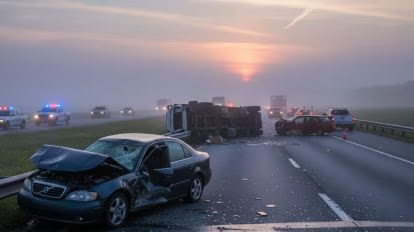
NATIONAL: Supreme Court Takes Suo Motu Action on Rising Highway Accidents
A string of devastating crashes on India’s national arteries has prompted the Supreme Court to launch a self-initiated probe, spotlighting systemic failures that claim lives daily.
Justices JK Maheshwari and Vijay Bishnoi voiced frustration over recurring tragedies, pinning blame on crumbling infrastructure and lax oversight.
As families mourn fresh losses, the court’s call for accountability resonates like a siren in the night.
Suo Motu Spotlight on Deadly Crashes
The bench zeroed in on two gut-wrenching incidents last week, where highways turned into scenes of sorrow.
In Rajasthan’s Phalodi on November 2, a speeding tempo crammed with pilgrims slammed into a stationary truck, snuffing out 15 lives, including women and children.
Days earlier in Telangana’s Chevella, a bus-truck collision near Mirjaguda claimed 19 souls, mostly from head injuries amid foggy dawn chaos.
These weren’t isolated slips but symptoms of deeper woes, the court noted, urging a hard look at why such hotspots persist despite heavy toll collections.
Pinpointing the Perils of Poor Roads
Media flashes painted a grim picture: pothole-riddled stretches and unchecked encroachments fueling the frenzy.
The justices hammered home that shoddy maintenance tops the culprit list, with contractors skimping on standards to pocket savings.
Unauthorized dhabas dotting the routes add fuel to the fire, luring trucks to park haphazardly and inviting rear-end disasters from unsuspecting drivers.
One stark observation cut through: even as vehicles pull over for a quick bite, the ripple turns fatal when others collide in the blind spots.
This cycle, the court stressed, demands immediate clamps to safeguard the vulnerable.
Directives for Swift Accountability
In a firm two-week timeline, the top court tasked the National Highways Authority of India, the Ministry of Road Transport and Highways, and the Rajasthan and Telangana governments with detailed submissions.
Reports must map unauthorized eateries, audit road quality, and expose lapses in upkeep contracts.
The order underscores a broader plea: toll revenues should pave the way for safer journeys, not just line pockets.
Broader Call to Curb the Carnage
This intervention echoes the court’s long-standing vigil on highway horrors, where thousands perish yearly due to fixable flaws.
By flagging regulatory gaps, the bench nudges states toward proactive fixes like better signage and enforcement patrols.
For commuters who navigate these veins of commerce, the message lands clear: lives outweigh ledgers.
As reports roll in, the nation watches, hoping this probe sparks real reform over rhetoric.
In the quiet aftermath of loss, such steps feel like overdue lifelines on roads too often marked by grief.