


Cleveland: Quantum Leap Forward: Healthcare’s New Frontier
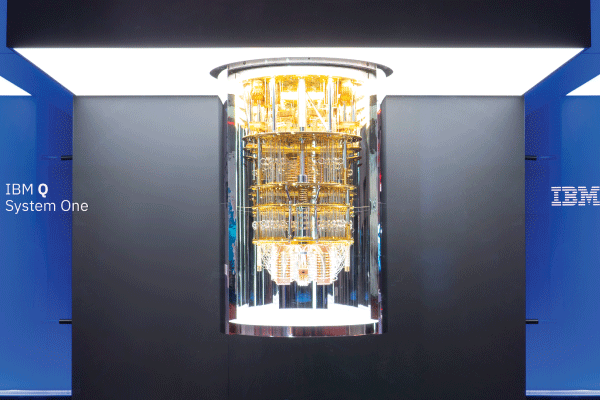
A groundbreaking quantum computer, unveiled by Cleveland Clinic and IBM in early 2025, promises to reshape the future of human health. Designed specifically for medical research, this cutting-edge technology accelerates drug discovery and personalized medicine, offering hope for faster, more precise treatments.
Its potential to unravel complex biological puzzles marks a pivotal moment in the fight against diseases like cancer and rare genetic disorders.
This innovation harnesses quantum mechanics to simulate molecular interactions at unprecedented speeds.
Unlike traditional supercomputers, which can take years to model drug behaviors, this system delivers results in mere hours.
Researchers are already exploring its applications, from crafting targeted therapies to decoding intricate protein structures.
Speeding Up Drug Development
The quantum computer tackles challenges that have long stalled medical progress. By analyzing atomic-level interactions, it predicts how drugs will work before costly lab trials begin. This could slash development timelines, bringing life-saving medications to patients faster.
For example, diseases with limited treatment options, such as pancreatic cancer, may benefit from rapid prototyping of new compounds.
Scientists see it as a tool to outpace the slow grind of conventional research, saving both time and resources.
Personalized Medicine on the Horizon
Beyond speed, the technology opens doors to tailored treatments. It can map genetic profiles against potential therapies, ensuring drugs match individual patient needs.
This shift away from one-size-fits-all medicine could transform outcomes for chronic and rare conditions.
Hospitals and biotech firms are eyeing its potential to customize care plans. However, scaling the technology to make it widely accessible remains a key challenge for the industry.
Challenges and Ethical Questions
While the promise is immense, hurdles loom large. Quantum systems are costly, and integrating them into mainstream healthcare requires significant investment. Ensuring equitable access will be critical to avoid widening global health disparities.
Ethical concerns also arise, particularly around data privacy and genetic profiling. Robust safeguards will be essential to protect patient information as this technology evolves.
A New Era for Health Innovation
The Cleveland Clinic-IBM partnership signals a bold step toward a future where diseases are tackled with precision and speed.
As quantum computing matures, it could redefine how we prevent, treat, and manage illness. For now, the medical world watches closely, eager to see how this invention reshapes humanity’s health journey.