

NATIONAL: Pakistan Rebuilds Terror Camps After India’s Sindoor Strikes
On June 28, 2025, intelligence reports revealed Pakistan’s persistent efforts to reactivate terror camps in Pakistan-occupied Kashmir (PoK) and along the Line of Control (LoC), despite India’s recent Operation Sindoor strikes. This development, linked to groups like Jaish-e-Mohammed (JeM) and Lashkar-e-Taiba (LeT), signals heightened regional tensions and challenges India’s counter-terrorism strategy.
Operation Sindoor’s Precision Strikes
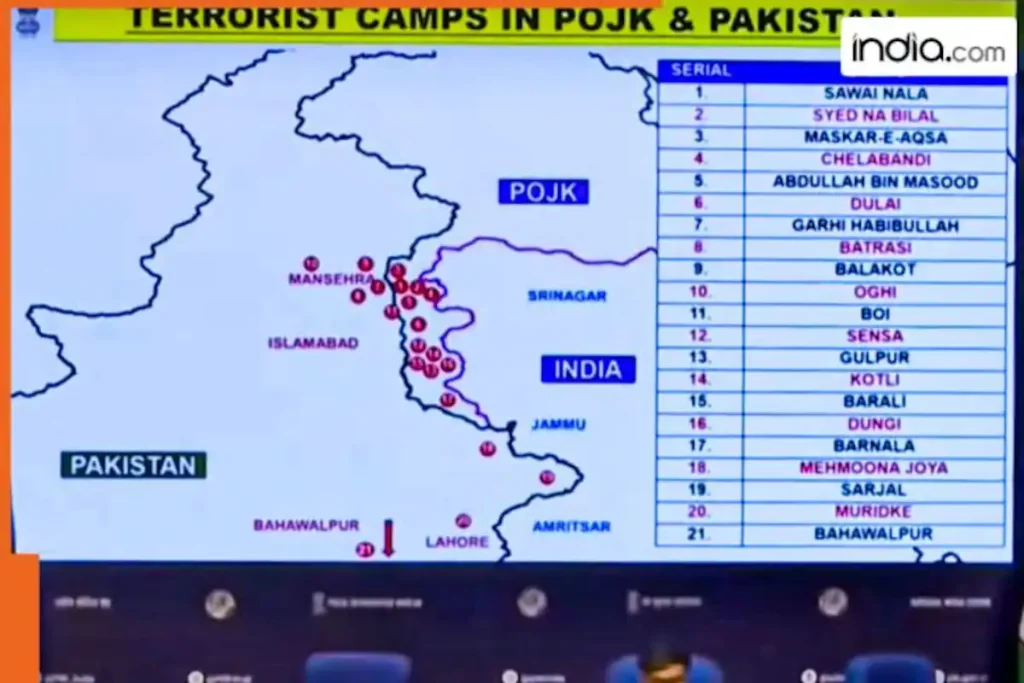
India’s Operation Sindoor, launched on May 7, 2025, targeted nine terror camps in Pakistan and PoK in retaliation for the April 22 Pahalgam attack, which killed 26 civilians. The strikes demolished key facilities, including LeT’s Markaz-e-Taiba Madrasa and JeM’s Usman O Ali camp in Bahawalpur, eliminating over 170 terrorists, including JeM’s Abdul Rauf Azhar.
Pakistan’s Resilient Terror Infrastructure
Intelligence sources indicate Pakistan is actively rebuilding its terror network, with new camps emerging in dense forests near the LoC to evade detection. Locations such as Luni, Putwal, Taipu Post, and Forward Kahuta are reportedly hosting these facilities, equipped with advanced technologies like thermal imagers and foliage-penetrating radar.
ISI’s Role in Funding and Reconstruction
The Inter-Services Intelligence (ISI) and PoK authorities are allegedly funneling substantial funds to restore terror infrastructure. These efforts aim to re-establish launch pads and training camps, leveraging strategic locations to counter satellite surveillance and facilitate rapid escapes during potential airstrikes.
Strategic Implications for India
Pakistan’s reactivation of terror camps poses a direct challenge to India’s security apparatus, particularly following the success of Operation Sindoor. The persistence of groups like JeM and LeT underscores the need for sustained intelligence and military vigilance. India’s response will likely shape regional counter-terrorism dynamics.
Technological Advancements in Terror Camps
The new camps are equipped with cutting-edge tools, including radar systems designed to penetrate dense foliage and evade aerial detection. Such advancements indicate a sophisticated approach to rebuilding, potentially complicating future Indian operations targeting these sites.
Casualties and Targets of Operation Sindoor
Operation Sindoor’s strikes were highly effective, neutralizing key figures like Abdul Rauf Azhar, a mastermind of the 1999 IC814 hijacking. The destruction of LeT’s Muridke headquarters and other camps disrupted terror operations, though Pakistan’s swift rebuilding efforts suggest undeterred intent.
Regional Tensions and Global Scrutiny
Pakistan’s actions have drawn international attention, with some voices, including a Pakistani national, defending India’s right to retaliate post-Pahalgam. However, Pakistan’s formal condemnations and continued terror sponsorship highlight a complex geopolitical standoff.
India’s Next Steps
With Pakistan reactivating terror infrastructure, India faces pressure to enhance its intelligence-driven operations and diplomatic efforts. The Indian armed forces are reportedly preparing for potential further strikes to counter the remaining terror camps, signaling a proactive stance.
A Persistent Threat to Stability
The revival of terror camps underscores Pakistan’s unwavering support for groups like JeM and LeT, challenging the fragile ceasefire along the LoC. This development risks escalating cross-border tensions, testing India’s resolve and the international community’s response to terrorism.