

National: Delhi’s Smog Standoff: Home Office or Bust?
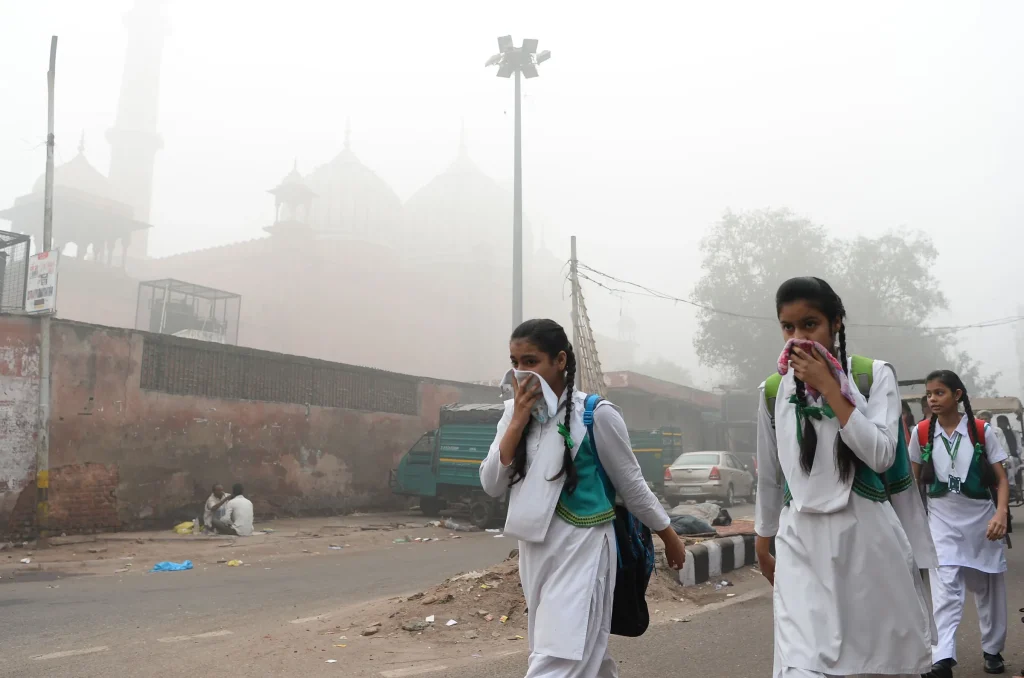
Delhi’s skies have turned into a hazy veil once again, with air quality dipping into dangerous territory. The city’s Air Quality Index (AQI) has hovered above 300 in recent days, prompting swift action from authorities to shield residents from the invisible threat. On November 24, 2025, the government rolled out measures under the Graded Response Action Plan (GRAP) Stage III, prioritizing health over routine commutes.
This isn’t just about numbers on a dashboard; it’s a reminder of how everyday choices, from traffic snarls to seasonal stubble burns, tangle into a thicker fog. As the capital chokes, these steps aim to clear the air, one remote login at a time.
Halving the Hustle: 50% On-Site Cap
All government offices in Delhi must now limit physical attendance to half their workforce, with the rest dialing in from home. This directive, issued by the Environment Department under Section 5 of the Environment (Protection) Act, 1986, took effect immediately to curb vehicle emissions – a key pollution culprit.
Private establishments face the same rule: no more than 50 percent of staff on premises, mandating work-from-home for everyone else. Essential services like hospitals, fire departments, and pollution enforcement teams get exemptions to keep the city running smoothly.
The push includes staggered timings where possible, easing peak-hour rushes that spew extra fumes into the mix. It’s a practical pivot, blending productivity with protection in the face of unrelenting smog.
NCR-Wide Ripple: Regional Safeguards
The advisory stretches beyond Delhi to the entire National Capital Region (NCR), urging uniform cutbacks in both public and private sectors. This coordinated approach tackles the shared air basin, where winds don’t respect borders.
From Gurgaon boardrooms to Noida cubicles, the message is clear: reduce road warriors to lighten the load on lungs and highways. Early feedback suggests smoother workflows for many, turning a crisis into an unexpected trial run for hybrid setups.
Health First: Why It Matters Now
With AQI readings flirting with the ‘severe’ mark – some spots hitting 400 on November 24 – vulnerable groups like children, seniors, and those with respiratory issues bear the brunt. Short-term exposure can spark coughing fits or worse, while long hauls raise chronic risks.
GRAP III activation underscores a proactive stance, building on Supreme Court nudges and Commission for Air Quality Management (CAQM) tweaks from mid-November consultations. It’s less about panic and more about preserving the pulse of a bustling metropolis.
These curbs join a toolkit that includes construction halts and diesel vehicle bans, all woven to weave cleaner breaths back into daily life.