

INTERNATIONAL: Bangladesh Shockwave: Ex-PM Hasina Sentenced To Death
Bangladesh’s political landscape shifted dramatically on Monday when the International Crimes Tribunal delivered a stunning blow to its exiled former leader.
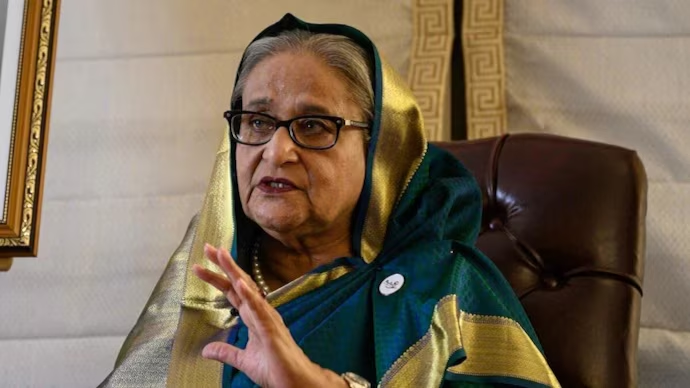
Sheikh Hasina, who fled to India amid a fierce student uprising last year, now faces execution in absentia.
The ruling stems from charges of crimes against humanity tied to the violent suppression of protests that claimed hundreds of lives.
Tribunal’s Harsh Judgment
The three-judge panel reviewed five cases against Hasina, convicting her in two and imposing the death penalty.
Her former Home Minister, Asaduzzaman Khan Kamal, shares the same fate, while ex-police chief Chaudhry Al Mamun, who turned state witness, drew a five-year term.
Authorities also mandated the seizure of properties linked to Hasina and Kamal, signaling a firm intent to dismantle remnants of the old regime.
At 78, Hasina wasted no time in rejecting the outcome from her refuge in New Delhi. She branded the process a sham, orchestrated by an unelected interim administration lacking public mandate.
“False accusations have been weaponized against me,” she declared, her words laced with the bitterness of a leader toppled by the very youth she once championed.
Yunus Embraces the Ruling
In stark contrast, Muhammad Yunus, the Nobel laureate steering Bangladesh’s caretaker government, hailed the decision as a milestone for accountability.
“This affirms that no one stands above the law,” he stated, underscoring the tribunal’s role in addressing the 2024 unrest that ousted Hasina after 15 years in power.
His administration views the verdict as a step toward healing a nation scarred by division.
Yet the announcement ignited fresh turmoil on Dhaka’s streets. Crowds surged toward the historic home of Hasina’s father, Sheikh Mujibur Rahman, Bangladesh’s founding father, attempting to raze the site in a wave of pent-up rage.
Police countered with tear gas, restoring order amid fears of broader clashes in this fragile post-uprising era.
Extradition Tensions with India
Dhaka has wasted no time pressing New Delhi for Hasina and Kamal’s return, citing the 2013 extradition treaty that binds the neighbors.
The pact obligates India to surrender convicts, but exceptions for political offenses loom large. Bangladesh’s foreign ministry reiterated the plea, framing it as essential for national reconciliation.
India’s Ministry of External Affairs offered a measured reply, acknowledging the tribunal’s findings while prioritizing stability. “We seek peace, democracy, and calm in Bangladesh and will engage constructively with all parties,” it noted, sidestepping any handover commitment.
This diplomatic tightrope reflects New Delhi’s long-standing ties with Hasina, who once sheltered from regional threats under its wing.
As Bangladesh grapples with this seismic judgment, questions swirl about enforcement and fallout.
Will India yield to treaty terms or shield its ally? The coming days could redefine South Asian alliances, with echoes of the student revolt still reverberating through the region’s corridors of power.