

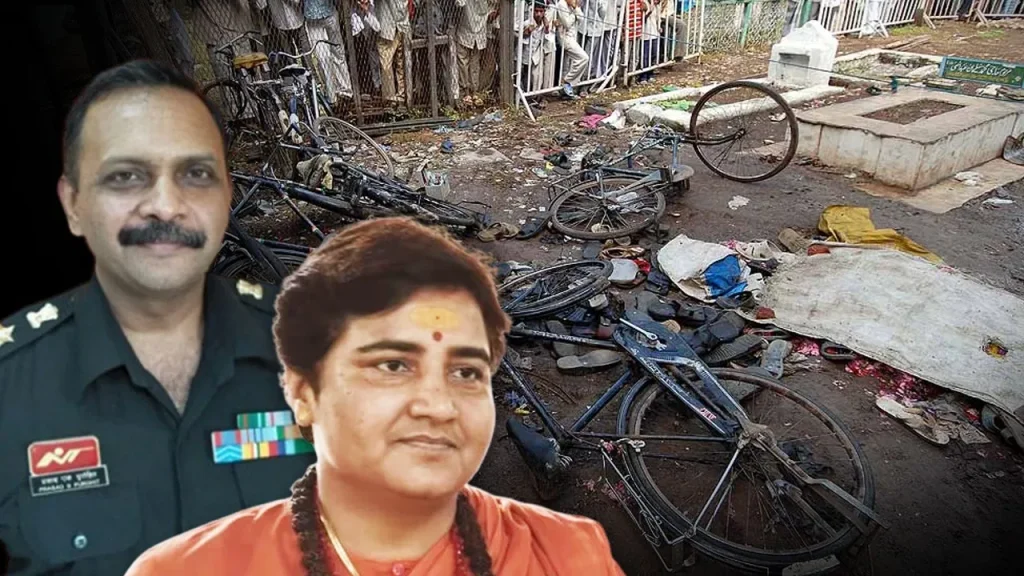
Mumbai: Malegaon Blast Case: Historic Verdict Delivered
Historic Verdict
On July 31, 2025, a special NIA court in Mumbai acquitted all seven accused in the 2008 Malegaon blast case, concluding a 17-year legal saga that gripped national attention. The court, presided over by Special Judge AK Lahoti, cited significant deficiencies in the prosecution’s evidence, marking a pivotal moment in one of India’s longest-running terror trials.
Details of the 2008 Attack
On September 29, 2008, a bomb strapped to a motorcycle detonated near Bhiku Chowk in Malegaon, Maharashtra, killing six people and injuring over 100 during the holy month of Ramadan. The attack, occurring in a Muslim-majority area, was initially probed by the Maharashtra Anti-Terrorism Squad (ATS) before being transferred to the National Investigation Agency (NIA) in 2011.
Accused and Charges
The seven individuals acquitted include former BJP MP Pragya Singh Thakur, Lieutenant Colonel Prasad Purohit, Major (Retd) Ramesh Upadhyay, Ajay Rahirkar, Sudhakar Dwivedi, Sudhakar Chaturvedi, and Sameer Kulkarni. They faced charges under the Unlawful Activities (Prevention) Act (UAPA) and Indian Penal Code, including criminal conspiracy, murder, and promoting enmity between religious groups.
Prosecution’s Case Falters
The court highlighted the prosecution’s failure to conclusively prove that the bomb was affixed to a scooter, citing a lack of cogent evidence to establish the accused’s involvement. Despite examining 323 witnesses, with 34 turning hostile, the NIA could not substantiate claims of a conspiracy to target the Muslim community.
Investigation Challenges
The ATS initially linked the motorcycle to Pragya Singh Thakur, leading to her arrest in October 2008, but the NIA’s 2016 chargesheet questioned the ATS’s findings, dropping charges under MCOCA due to procedural flaws. The trial, which began in 2018, faced setbacks from conflicting witness testimonies and allegations of coerced statements.
Defense Arguments Prevail
The defense, representing the accused, capitalized on inconsistencies, with some denying the blast’s occurrence and others attributing it to external groups like SIMI. The court found the prosecution’s evidence, including call data records and forensic findings, insufficient to form a complete chain of culpability.
Implications of the Acquittal
This verdict raises questions about the efficacy of India’s anti-terrorism investigations and the application of stringent laws like UAPA. The acquittal of high-profile figures like Thakur and Purohit may spark debates on judicial processes and communal narratives surrounding the case.
Victim and Community Impact
The ruling has left victims’ families and Malegaon’s residents grappling with unresolved grief, as the 2008 blast’s perpetrators remain unpunished. The court’s decision underscores the challenges in securing convictions in complex terror cases with prolonged investigations.